"Women may be included in programs, counted as beneficiaries, and presented as evidence of successful implementation, but falls short of addressing the underlying conditions producing gender inequality."
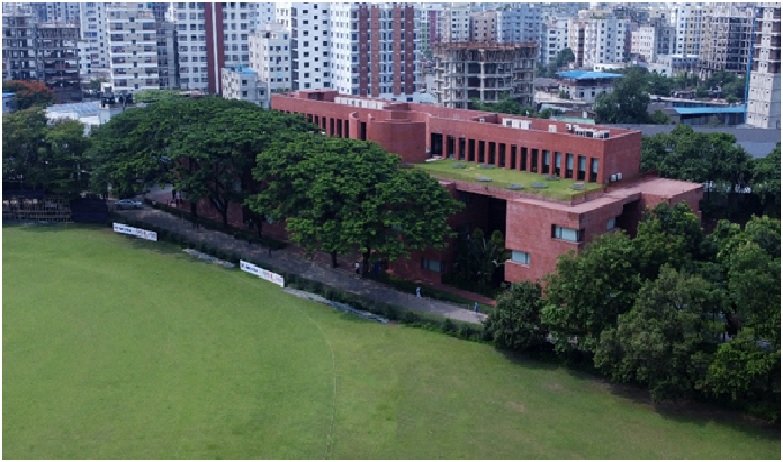
The observation was made during a Knowledge Exchange Discussion organized by the Center for Sustainable Development (CSD), ULAB on how Bangladesh's dealing with climate issues, and strikes at the heart of a growing contradiction within the country's climate response.
Bangladesh is a country that is often celebrated as a global leader in addressing climate adaptation. From cyclone preparedness to community-based resilience programmes, it is often cited as a model for vulnerable nations. Gender inclusion, too, has become a prominent feature of adaptation policy. Women appear prominently in climate policies, project documents, donor reports, and adaptation programmes.
However, just because women are part of climate change projects, does that mean they really have power and control over what happens in the projects, specifically in Bangladesh, and the work that Bangladesh is doing on climate change?
The answer, according to researchers and practitioners working across Bangladesh's adaptation sector, is far more complicated than people assume. A study examining 48 climate adaptation projects carried out between 2009 and 2024, along with interviews with experts, policymakers, and practitioners, shows a troubling pattern that keeps repeating. While women are highlighted as beneficiaries in adaptation programmes, they are often absent from the rooms where decisions are made.
Participation and empowerment are not the same thing.
Researchers found that more than 80 per cent of the projects reviewed used what they called an "instrumentalist" approach to gender inclusion. Women were commonly portrayed as farmers, water collectors, or vulnerable beneficiaries whose participation could help achieve project goals. What was largely missing was a focus on women as rights-holders with the power to influence decisions, control resources, and shape adaptation priorities.
The discussion kept returning to what participants described as a growing "tick-box culture" within climate adaptation in Bangladesh. Often, success is measured via attendance sheets. If a project reports that half its participants are women, gender inclusion is usually treated as done, or achieved.
However, counting women is not the same as addressing gender.
The contradiction becomes even more apparent when examining how adaptation projects define empowerment, which sits somewhere in the gap between progressive rhetoric and instrumental implementation. Terms such as “women empowerment” are recurrently appearing in documents, reports and proposals but leave out the important questions of - empowerment from whom, by whom, and for what purpose?
The term ‘empowerment’ is among the most celebrated words in development and climate adaptation. Projects promise it, donors fund it, NGOs report it. But it needs a second look. When we say to empower someone, it suggests that power or authority is handed over by someone else. Someone possesses it; someone else receives it.
But were women ever truly powerless? This is where the language of empowerment becomes problematic.
Women do not have to be invited into adaptation. They are already there. They farm, manage households, cope with disasters, care for families, and keep communities standing through climate shocks.
Perhaps the goal should not be simply to empower women. But rather to remove the obstacles, the ones that stop women from using the power they already carry. To tear down the systems that quietly limit access to land, resources, finance, decision-making control, as well as political influence.
Until then, the solution will remain elusive.
Nusrat Jahan Esa is a Research Assistant at the Center for Sustainable Development (CSD), ULAB . She can be reached at nusratjahanesa13@gmail.com








0 Comments